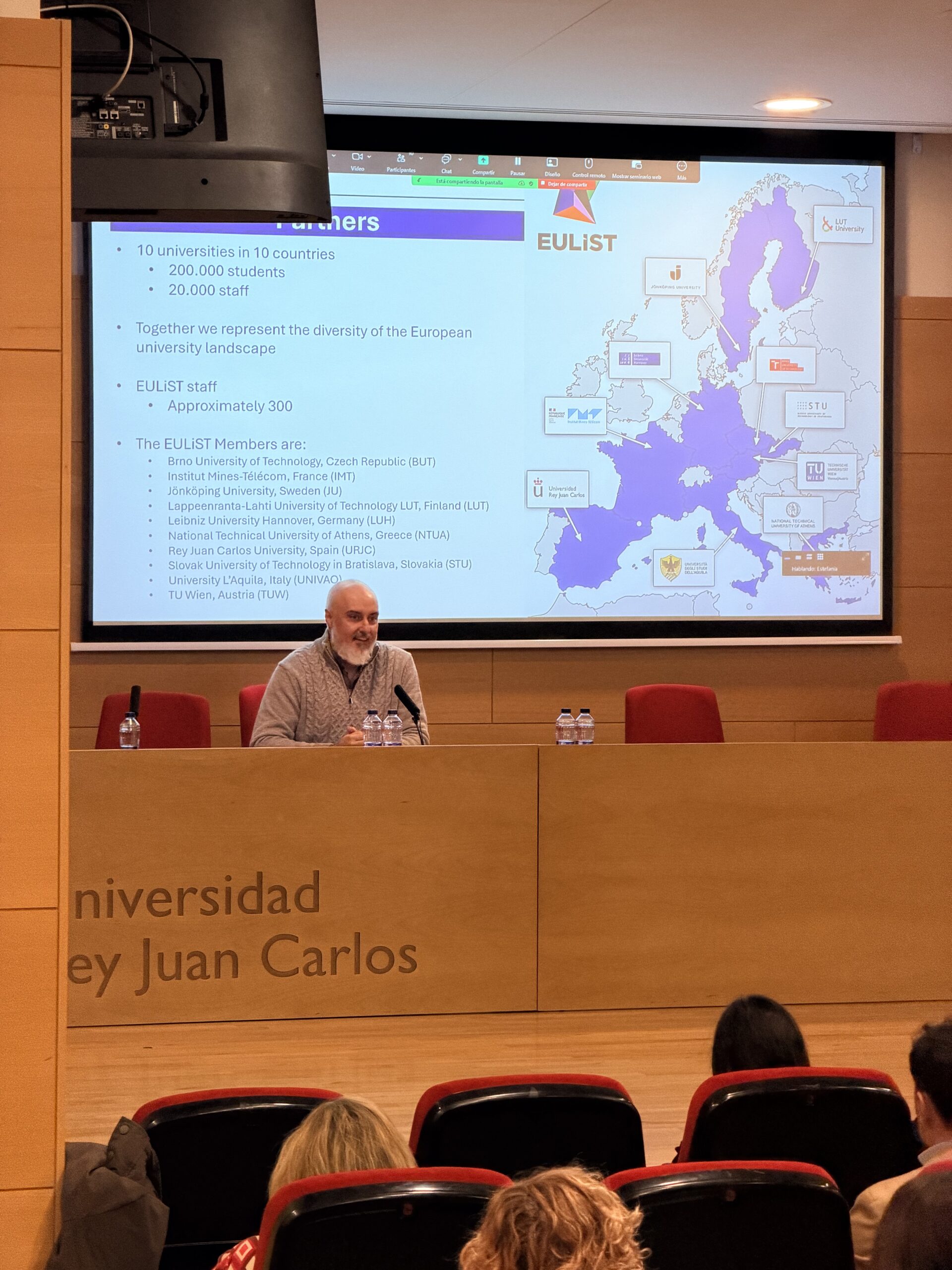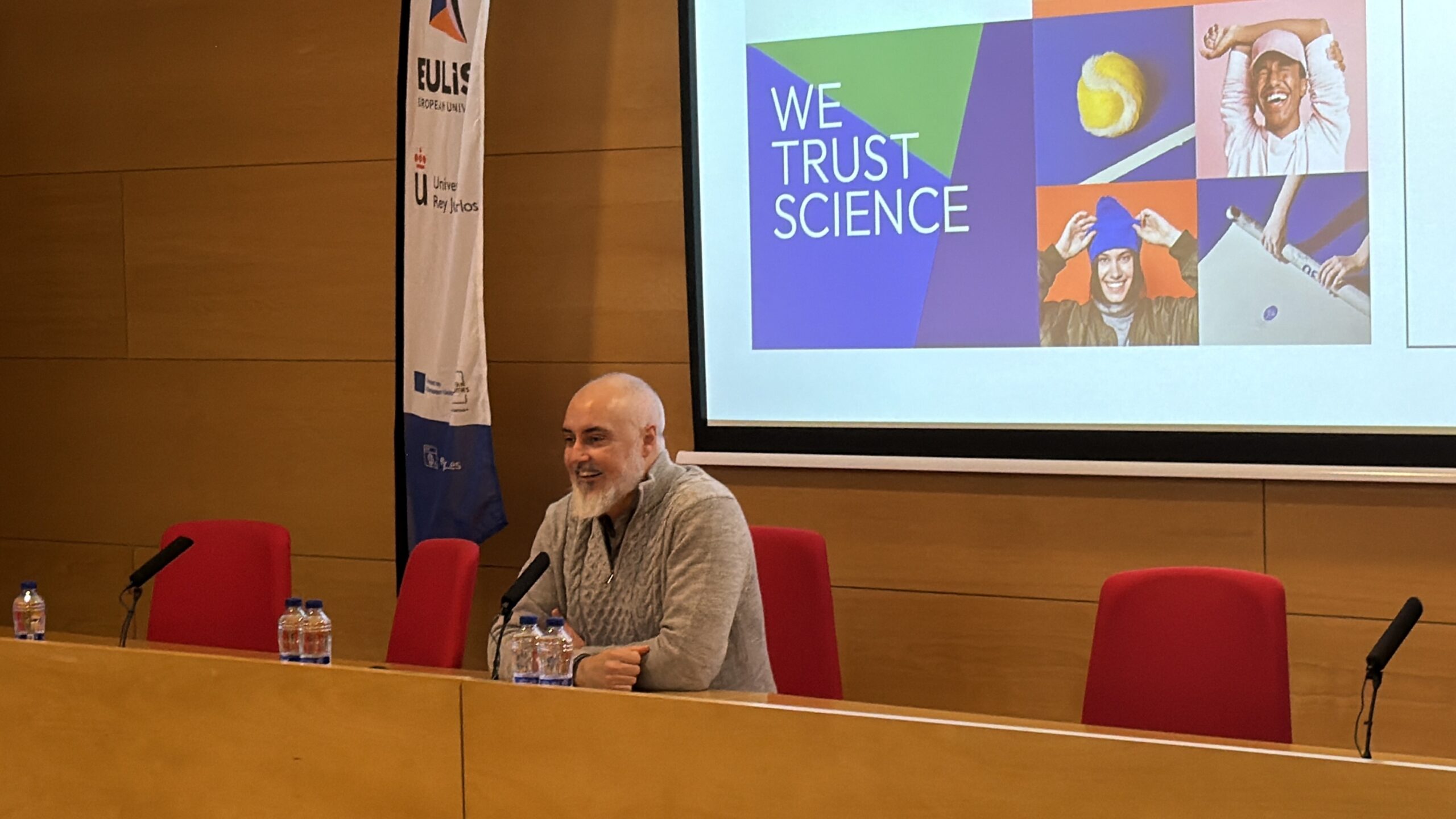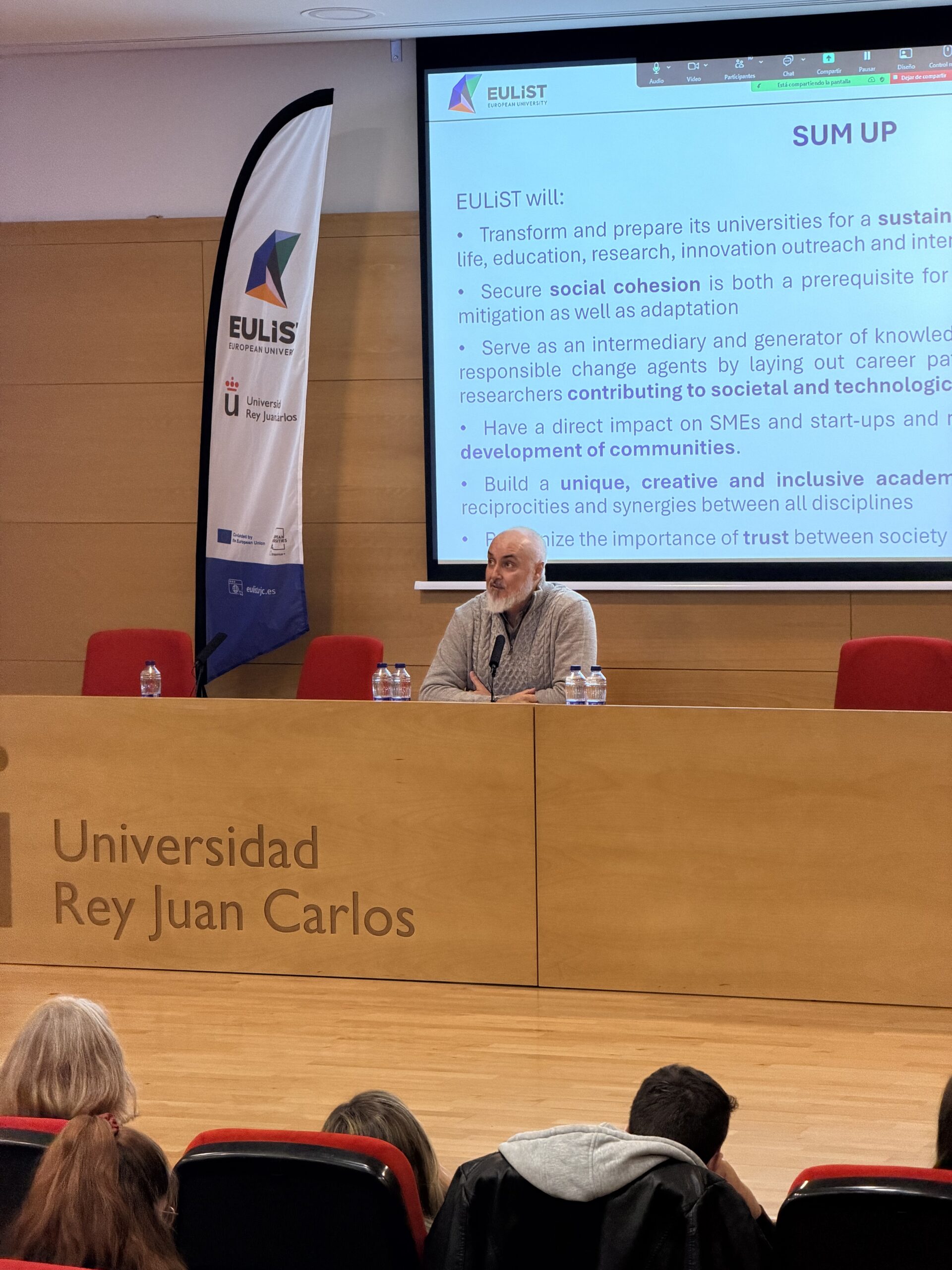

CoTEDI (Computational Thinking for Education with Diversity & Inclusion) is an Erasmus+ project funded by the European Union, whose members come from six different countries. The project promotes resources and training for teachers, with the aim of developing computational thinking in the classroom through diversity and inclusion. This challenge sought to collect and highlight good practices from teachers in nursery, primary, secondary and sixth form education, and share them during the event on 2 December. The event ‘Computational Thinking in the Classroom’ organised by Rey Juan Carlos University perfectly represents one of the key objectives of the EULiST European University alliance: to promote STEM disciplines as an integrating element that fosters diversity and inclusion.
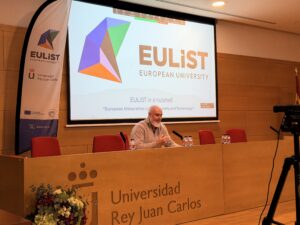 Computational thinking not only develops technical skills, but also promotes cross-cutting competencies such as problem solving, creativity and collaborative work. These skills are essential to ensure that students from different backgrounds, cultures and abilities can actively participate in the digital society.
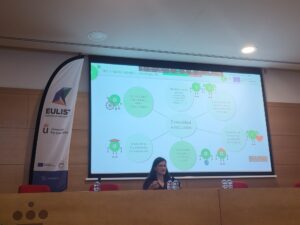 Initiatives such as the ERASMUS+ CoTEDI project, presented at the event, demonstrate how STEM education can be adapted to the early stages of education, reducing gaps and offering equal opportunities. Collaboration between teachers, researchers and international organisations reinforces EULiST’s vision: a European university that connects society with technology and science to build a more inclusive and sustainable future.
These types of meetings are essential for moving towards an education that not only trains in technology, but also integrates values of diversity, equity and cooperation.
You can watch the entire event here.